
Authentic Kabobs: Ingredients and Cooking Methods Explained

Authentic Kabobs: Ingredients and Cooking Methods Explained
Authentic Kabobs: Ingredients and Cooking Methods Explained
If you have ever wondered why authentic kabobs taste deeper, juicier, and more balanced than simple “grilled meat on a stick,” the answer lies in preparation. Flavor is built long before the meat touches the grill.
At Massis Kabob, kabobs are not an afterthought on a Mediterranean menu. They are the centerpiece. From a chicken kabob plate to beef kabob skewers, the goal is always the same: tender meat, clean smoke, and seasoning that tastes unified not added at the last moment.
This guide explains what makes Middle Eastern kabob flavors so memorable, which kabob marinade techniques matter most, and how traditional kabob cooking creates that unmistakable taste.
The Real Meaning of Authentic Kabobs
Authentic kabobs are built on three essential pillars:
- Proper seasoning inside the meat, not only on the surface
- A balanced marinade that tenderizes without turning meat mushy
- A grill method that adds smoke and browning while keeping juices inside
Many people believe kabobs are “authentic” if they use the right spice names. True authenticity comes from technique. The same spice can taste harsh, flat, or perfectly balanced depending on how it is mixed, rested, and cooked.
That is why Mediterranean kabob dishes often feel simple but taste complex—the method does the heavy lifting.
Ingredients That Build Real Kabob Flavor
Authentic kabob recipes rely on quality basics layered with intention.
1. The Meat Cut and Texture
- Chicken kabobs stay juiciest with thigh meat, which holds moisture well on the grill.
- Beef kabob skewers work best with naturally tender cuts. Tough cuts require precise marinades and timing.
2. Salt Timing
Salt is more than seasoning. Applied early, it helps meat retain moisture and improves browning during grilling.
3. Aromatics in the Marinade
Garlic, onion, and citrus form the foundation of Mediterranean flavor. When balanced correctly, they enhance the meat without overpowering it.
4. Spices That Define Middle Eastern Kabob Flavors
You do not need many spices just harmony:
- Warm, earthy notes
- Bright, tangy elements
- Optional mild heat
- Fresh herbs for lift
If one spice dominates, the kabob loses its clean, savory, smoky balance.
Kabob Marinade Techniques That Actually Work
Marinades are where kabobs succeed or fail.
What a Good Marinade Should Do
- Tenderize gently
- Carry flavor into the meat
- Support browning on the grill
- Help retain moisture
What a Good Marinade Should Not Do
- Make the exterior soft or chalky
- Taste aggressively acidic
- Hide the natural meat flavor
A Practical Kabob Marinade Structure
- Fat: Carries spices and prevents dryness
- Acid: Adds brightness in moderation
- Aromatics: Develop savory depth on heat
- Spices & herbs: Create the signature profile
Marinating Time Matters
- Too short: flavor stays on the surface
- Too long with strong acid: texture breaks down
Best practice: A few hours for most meats, adjusted by cut and size.
Traditional Kabob Cooking Methods and Why They Matter
Authentic kabob cooking is about heat control, not fancy equipment.
1. Open-Flame Grilling
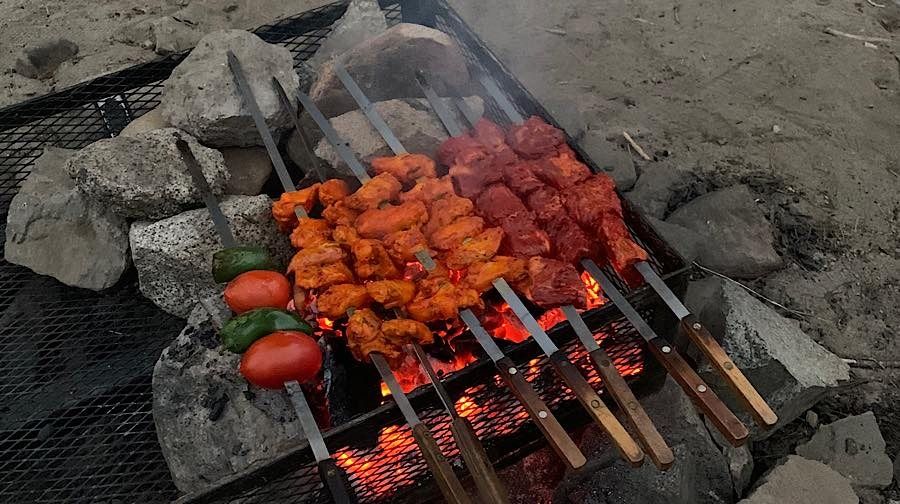
Cooking over hot coals or flame delivers:
- Deep browning
- Light smoke that becomes part of the flavor
2. Proper Spacing on the Skewer
Crowded pieces steam instead of grill. Small gaps allow better heat contact and color.
3. Turning at the Right Time
- Too much turning prevents browning
- Too little risks burning
Controlled movement creates even char and juiciness.
4. Resting After Grilling
Kabobs benefit from resting just like steak. It allows juices to redistribute instead of spilling onto the plate.
Chicken Kabob Plate vs Beef Kabob Skewers
Chicken Kabob Plate
- Lighter and brighter flavors
- Marinades often use citrus and herbs
- Focus on tenderness, moisture, and light char
Beef Kabob Skewers
- Richer and more savory
- Benefit from strong browning and smoke
- Deeper spice profiles that still respect the beef
What They Share
- Even cuts
- Balanced marinades
- High-heat grilling
- Proper resting
Common Mistakes That Ruin Grilled Kabobs
- Cutting uneven pieces
- Using too much acid
- Cooking on low heat
- Overloading skewers
- Skipping the resting step
Each mistake directly affects moisture, texture, or flavor.
Flavor Builders Used in Authentic Kabob Recipes
Olive Oil or Similar Fat
- Carries spice flavor
- Supports browning
- Adds richness without heaviness
Citrus or Mild Acid
- Adds brightness and balance
- Gently tenderizes meat
- Prevents flat flavors
Aromatics (Garlic & Onion)
- Build savory depth
- Create classic kabob aroma
- Must be balanced, not overpowering
Spice Blends & Herbs
- Define Middle Eastern kabob flavors
- Add warmth and freshness
- Should enhance not bury the meat
Key Takeaways
- Authentic kabobs rely on consistent technique from prep to grill
- Balanced marinades improve tenderness and depth
- High-heat grilling creates essential browning and smoke
- Chicken kabobs shine with bright freshness; beef kabobs lean rich and smoky
- Even cuts, spacing, and resting dramatically improve results