

Why Fresh Ingredients and Traditional Cooking Methods Define Great Persian Cuisine

Why Fresh Ingredients and Traditional Cooking Methods Define Great Persian Cuisine
Why Fresh Ingredients and Traditional Cooking Methods Define Great Persian Cuisine
Persian cuisine has earned worldwide recognition for its rich flavors, balanced seasonings, and emphasis on fresh ingredients. Unlike many fast-food concepts that rely heavily on processed ingredients and artificial flavoring, traditional Persian cooking focuses on quality meats, fresh vegetables, aromatic herbs, and time-tested preparation techniques.
In Southern California, where diners have access to countless dining options, Persian cuisine continues to stand out because of its ability to combine healthy ingredients with bold and memorable flavors. Restaurants such as Massis Kabob have helped introduce generations of diners to authentic Persian-inspired dishes that emphasize freshness, consistency, and traditional cooking methods.
This article explores how fresh ingredients and traditional preparation techniques contribute to the distinctive appeal of Persian cuisine and why these principles remain important in modern dining.
The Foundation of Persian Cuisine
Persian food has a long culinary history that spans centuries. While recipes have evolved over time, several principles remain unchanged:
- Fresh ingredients
- Balanced flavors
- High-quality proteins
- Aromatic herbs and spices
- Careful cooking techniques
These elements work together to create dishes that are flavorful without being overly complicated.
Rather than relying on excessive seasoning, Persian cooking allows ingredients to retain their natural flavors while enhancing them through traditional preparation methods.
Why Fresh Ingredients Matter
Fresh ingredients are at the heart of every memorable meal.
In Persian cuisine, freshness affects:
- Flavor quality
- Texture
- Nutritional value
- Overall dining experience
Fresh vegetables, herbs, and meats create a noticeable difference in both taste and presentation.
Restaurants that prioritize ingredient quality are often able to maintain consistency while delivering the authentic flavors guests expect.
The Role of Fresh Herbs in Persian Cooking
Herbs play a significant role in Persian cuisine.
Common herbs include:
- Parsley
- Mint
- Cilantro
- Dill
- Basil
These ingredients contribute freshness and complexity without overwhelming the dish.
Herbs are frequently used in:
- Rice dishes
- Salads
- Marinades
- Side dishes
Their presence helps create the vibrant flavors that define many Persian meals.
Quality Proteins as a Cornerstone of Flavor
One of the most recognizable elements of Persian cuisine is its focus on expertly prepared meats.
Popular options include:
- Chicken
- Beef
- Lamb
The quality of the protein directly affects the final result.
Careful sourcing, proper marination, and precise cooking techniques help ensure that meats remain flavorful and tender.
Many diners associate Persian food with kabobs because they showcase these preparation methods so effectively.
For more on Persian kabob traditions, see persian kabob restaurant
The Importance of Traditional Marinades
Marination is one of the key techniques used in Persian cooking.
Traditional marinades often include combinations of:
- Lemon juice
- Onions
- Herbs
- Spices
- Yogurt-based ingredients
These marinades help:
- Tenderize proteins
- Enhance flavor
- Improve texture
- Maintain moisture during cooking
Proper marination requires time and attention, which contributes to the depth of flavor found in authentic Persian dishes.
Open-Flame Cooking and Grilling Techniques
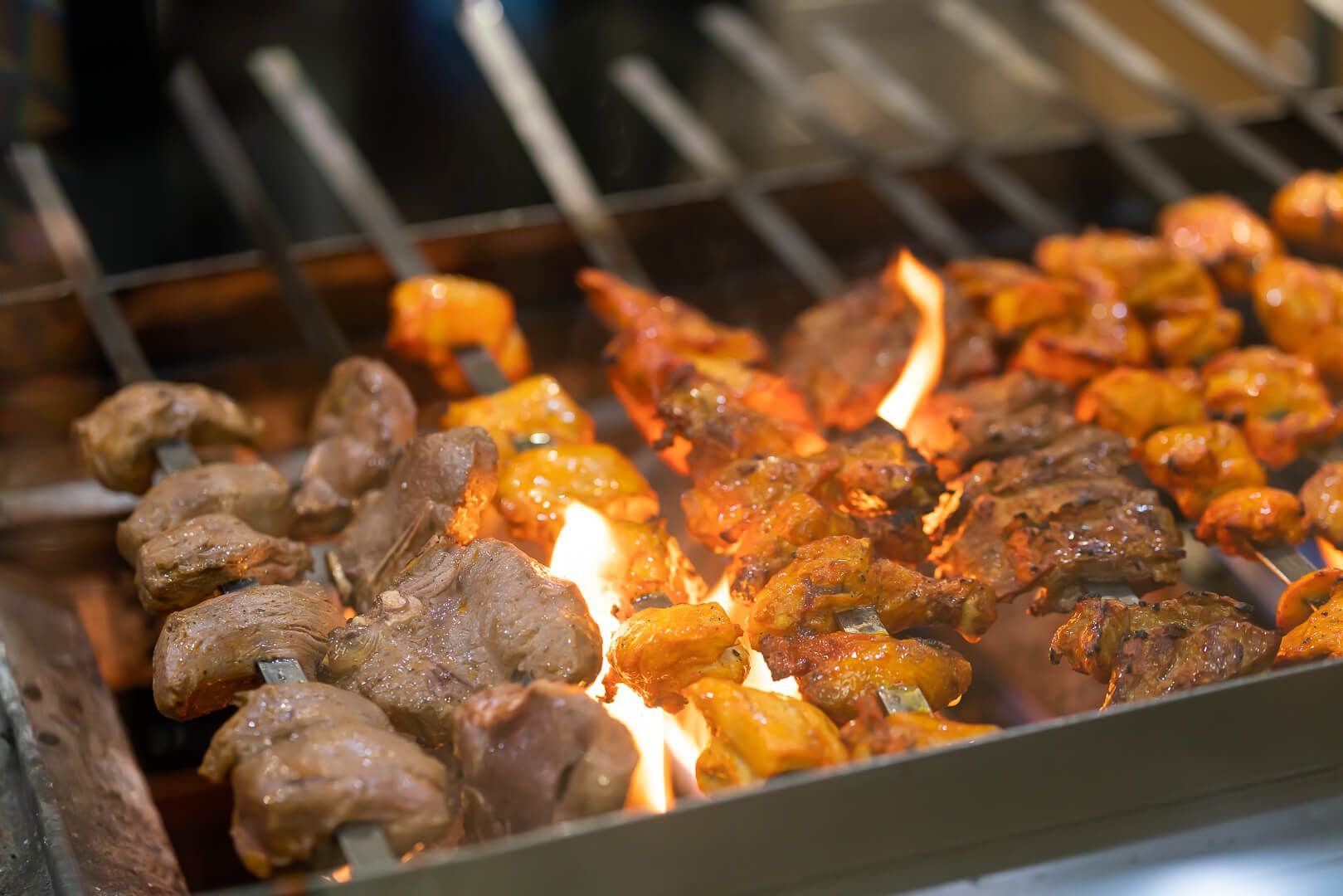
Grilling has long been an essential part of Persian culinary traditions.
Cooking over open flames helps create:
- Smoky flavor profiles
- Caramelized exterior textures
- Tender interiors
- Distinctive aromas
This method is particularly important when preparing kabobs, which remain among the most popular items in Persian restaurants.
The combination of quality ingredients and skilled grilling techniques helps produce the flavors that customers expect from traditional Persian cuisine.
Balancing Flavor Without Overpowering Ingredients
One characteristic that distinguishes Persian cuisine from many other culinary styles is balance.
Rather than relying on excessive heat or heavy seasoning, Persian dishes often focus on harmony between ingredients.
This balance may include:
- Savory flavors
- Mild sweetness
- Herbaceous notes
- Subtle acidity
The result is a dining experience that feels satisfying without being overwhelming.
Rice as More Than a Side Dish
Rice plays a central role in Persian cuisine.
Properly prepared Persian rice is valued for:
- Texture
- Aroma
- Presentation
- Flavor absorption
Traditional preparation methods often require careful timing and attention to detail.
The quality of the rice can significantly influence the overall dining experience.
Why Consistency Matters in Restaurant Dining
Customers return to restaurants because they expect consistency.
Achieving consistency requires:
- Reliable ingredient sourcing
- Standardized preparation methods
- Skilled kitchen staff
- Attention to detail
Restaurants that maintain these standards are more likely to build long-term customer loyalty.
This commitment to consistency is often one of the reasons diners continue returning to trusted establishments.
For more insight into the philosophy behind quality preparation, secret to our food
The Growing Demand for Health-Conscious Dining
Modern consumers increasingly seek meals that balance flavor and nutrition.
Persian cuisine naturally aligns with many health-conscious preferences because it often emphasizes:
- Lean proteins
- Fresh vegetables
- Herbs
- Grilled preparation methods
Many dishes provide satisfying meals without relying heavily on fried ingredients or processed components.
Fresh Ingredients and Menu Versatility
One advantage of using fresh ingredients is the ability to create diverse menu offerings.
Fresh ingredients support:
- Traditional kabob plates
- Salads
- Rice bowls
- Wraps
- Low-carb options
This flexibility helps restaurants serve a wide range of customer preferences.
For diners seeking lower-carbohydrate options, unveiling the exquisite flavors of massis kabobs keto plates
Preserving Cultural Traditions Through Food
Food serves as an important connection to cultural heritage.
Traditional Persian cooking methods help preserve:
- Family recipes
- Regional culinary practices
- Historical food traditions
Restaurants that maintain authentic preparation techniques contribute to keeping these traditions alive for future generations.
The Difference Between Authentic and Mass-Produced Meals
Mass-produced food often prioritizes speed and cost efficiency.
Authentic Persian cuisine typically focuses on:
- Fresh preparation
- Ingredient quality
- Careful cooking methods
- Consistent execution
These priorities often require more effort but result in a noticeably different dining experience.
Customers increasingly recognize and appreciate these distinctions.
Why Persian Cuisine Continues to Grow in Popularity
Several factors contribute to the growing popularity of Persian food:
- Unique flavor profiles
- Fresh ingredients
- Health-conscious preparation
- Cultural authenticity
- Versatile menu options
As diners become more interested in international cuisine, Persian food continues attracting new audiences.
For those curious about the history and terminology behind Persian grilled dishes, see:
https://massiskabob.com/blog/what-is-the-difference-between-kabob-vs-kebab-vs-kabab
The Role of Family Values in Restaurant Success
Many successful Persian restaurants were built on strong family traditions.
Values such as:
- Hospitality
- Quality
- Respect
- Consistency
often influence both food preparation and customer service.
These principles help create dining experiences that extend beyond the meal itself.
For insight into the values that helped shape Massis Kabob, see:
https://massiskabob.com/blog/rules-by-our-founder-hacop-baghdassarian-aka-hacops-rules
What Diners Look for in a Great Persian Restaurant
When choosing a Persian restaurant, customers often evaluate:
- Ingredient freshness
- Food quality
- Consistency
- Portion size
- Customer service
Restaurants that excel in these areas are more likely to earn repeat business and positive word-of-mouth recommendations.
The Future of Traditional Persian Cuisine
As food trends continue to evolve, traditional Persian cuisine remains highly relevant.
Future growth will likely be driven by:
- Increased consumer interest in global cuisine
- Demand for fresh ingredients
- Health-conscious dining preferences
- Appreciation for authentic food experiences
Restaurants that continue emphasizing quality and tradition will remain well positioned to serve both longtime fans and new customers.
Conclusion
Fresh ingredients and traditional cooking methods are the foundation of authentic Persian cuisine. From carefully marinated proteins and aromatic herbs to expertly grilled kabobs and perfectly prepared rice, every element contributes to a dining experience built on quality and tradition.
Restaurants such as Massis Kabob demonstrate how these principles continue to resonate with modern diners. By focusing on ingredient quality, authentic preparation techniques, and consistency, they help preserve the rich culinary traditions that have made Persian cuisine beloved around the world.
As consumers increasingly seek meals that combine flavor, freshness, and authenticity, traditional Persian cooking remains one of the most rewarding dining experiences available.