


Ordering Massis Kabob for Delivery What Holds Up Best and How to Reheat It Right
Ordering Massis Kabob for Delivery What Holds Up Best and How to Reheat It Right
Dining in will always be the classic way to experience a full Persian meal, but for a lot of people these days, delivery and takeout are how they actually enjoy it most often, whether that is a weeknight dinner or lunch at the office. Getting the most out of a delivery order takes a little know-how, since not every dish travels equally well, and knowing how to reheat things properly once they arrive makes a genuine difference in how close the meal comes to tasting like it just came off the grill.
This guide covers what actually holds up best for delivery, how to reheat everything properly once it arrives, and how to build a full, satisfying spread even when you are not sitting down in the restaurant itself.
What Travels Well
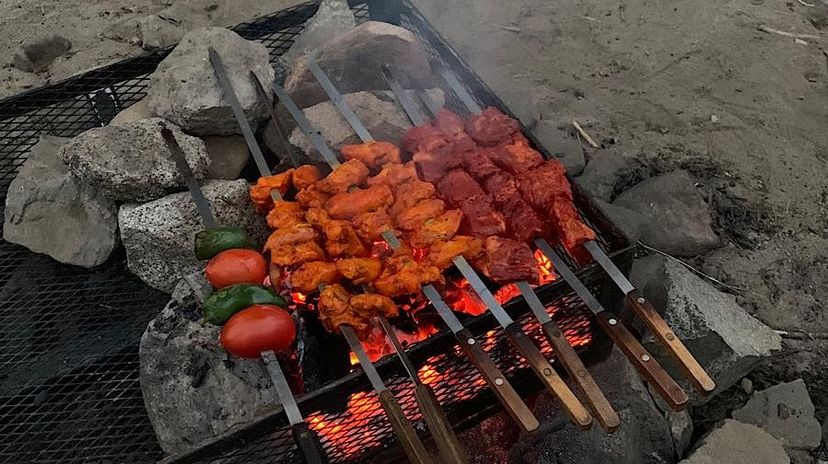
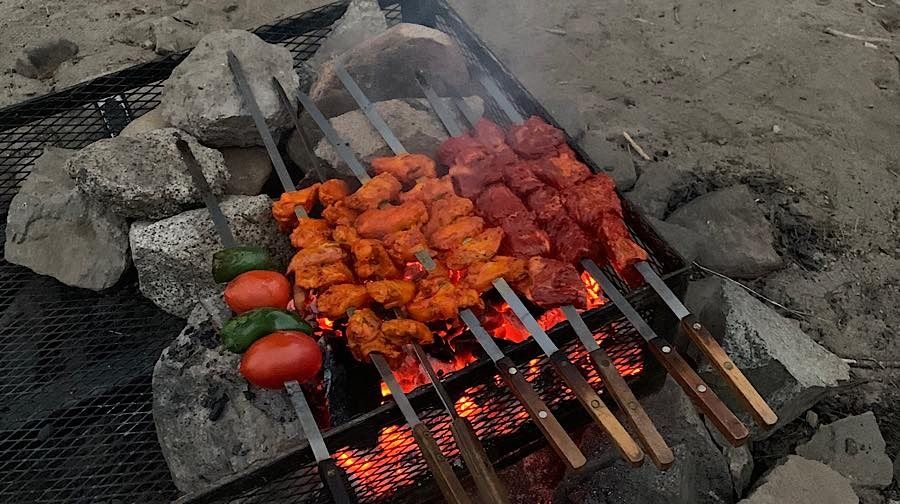
Grilled kabobs generally hold up well for delivery, since the meat's char and flavor stay intact even after a short travel time, and proper packaging keeps the temperature reasonably stable for typical delivery windows. Saffron rice travels well too, provided it is packaged with enough moisture retention to avoid drying out, and a good delivery setup accounts for this specifically. Sabzi and torshi, the fresh herb plate and pickled vegetables that round out a proper Persian meal, are actually ideal for delivery, since they are served cold or at room temperature to begin with and do not lose anything in transit the way a hot dish might.
What to Order for the Best Delivery Experience
If you are ordering for delivery specifically, leaning toward dishes less sensitive to time and temperature changes gives you the best outcome once the food actually arrives. Kabobs paired with rice and the traditional cold sides, sabzi, torshi, grilled tomato, make for a well-rounded order that holds up reliably regardless of exactly how long delivery takes. Our article on the difference between kabob, kebab, and kabab is worth a read if you are newer to ordering and want a bit of background on the terminology while you decide what to add to your order.
Reheating Kabobs the Right Way
If you have leftovers or are reheating a delivery order that has cooled down, the oven or a stovetop pan gives noticeably better results than a microwave for grilled meat specifically. A microwave tends to make kabobs rubbery and uneven, losing much of the texture that made them good in the first place, while a low oven or a quick pan sear restores more of that original grilled character. Covering the kabob loosely while reheating in the oven helps retain moisture rather than drying the meat out further during the reheating process itself.
Reheating Rice Properly
Saffron rice benefits from a small amount of added moisture during reheating, whether that is a light sprinkle of water before microwaving with a cover, or a few minutes in a covered pan on low heat with a splash of water in the bottom. Reheating rice completely dry, without accounting for the moisture it naturally loses in the refrigerator, tends to leave it noticeably drier and less appealing than it was when it first arrived, so this small extra step makes a real difference in the final result.
Building a Full Spread Even With Delivery
A complete Persian meal is about more than just the kabob, and this holds true for delivery just as much as dining in. Our article on why Mediterranean comfort food feels like home speaks to how much of that comfort actually comes from the full, balanced plate rather than any single dish alone, and it is worth ordering the full traditional accompaniments with your delivery, rice, sabzi, torshi, grilled tomato, rather than just the kabob on its own, even when ordering for a quick weeknight dinner rather than a special occasion.
Family Meal Packs for Delivery
For feeding a household or a small group via delivery, our guide on family meal packs and group dining covers exactly this kind of order, sized and structured to deliver well as a shared meal rather than several individual portions that may not travel or reheat as evenly. Ordering a family pack for delivery, rather than piecing together several separate individual orders, generally results in a more consistent experience once everything actually arrives and gets served.
Vegetarian Options for Delivery
Vegetarian dishes travel just as well as their meat-based counterparts, and the same reheating principles apply. Our article on vegetarian-friendly kabob dishes covers the plant-based options available, and pairing these with the same traditional sides, saffron rice, sabzi, torshi, gives vegetarian diners the same complete, satisfying delivery experience that meat-based orders deliver.
What to Do With Leftovers
If you have leftovers from a delivery order, storing kabobs and rice separately in airtight containers keeps both in better condition than combining everything into a single container, where moisture from the rice can affect the kabob's texture and vice versa. Refrigerated leftovers reheat best within a couple of days, using the oven or stovetop method covered above rather than a microwave, for the same reasons that method produces better results on a fresh delivery order.
Ordering for a Group vs. Catering
For a small delivery order feeding a handful of people, scaling up your regular delivery order works fine. For larger groups, an office lunch, a family gathering, or any event with a genuinely significant headcount, catering is usually the better path rather than trying to scale up an individual delivery order to an impractical size. Our guide on catering Persian kabobs for events in Los Angeles covers how catering is structured differently, built specifically to serve larger groups reliably rather than stretching a standard delivery order well past what it was really designed for.
Packaging Details That Actually Matter
Good packaging plays a bigger role in delivery quality than most people realize. Kabobs held in a container that allows a bit of airflow tend to arrive in better condition than ones sealed completely airtight while still hot, since trapped steam can make the exterior soggy rather than preserving that grilled char. Rice benefits from the opposite approach, a well-sealed container that holds in moisture rather than letting it escape and dry out during transit. Cold sides like sabzi and torshi hold up well regardless of container style, given they are not fighting temperature or moisture loss the way hot dishes are.
If you regularly order for delivery and want to compare how packaging affects your specific experience, paying attention to which containers each component arrives in, and how that correlates with how well everything holds up, can help you know what to expect on future orders.
Choosing Delivery vs. Pickup
If your schedule allows it, picking up your order yourself rather than waiting on third-party delivery often results in fresher, better-held food, simply because the time between the kitchen and your table is shorter and more predictable. Delivery remains the more convenient option for a lot of situations, but for anyone within easy driving distance who wants the food at its absolute best, picking up an order still edges out delivery slightly in terms of temperature and texture retention, particularly for kabobs specifically, where every extra minute in transit matters a bit more than it does for rice or the cold side dishes.
Either way, the reheating tips above apply just as much to a pickup order that has cooled down on the drive home as they do to a delivered order, so it is worth keeping them in mind regardless of which option you choose for a given meal.
A Few Practical Tips Before You Order
If you know you will not be eating immediately upon delivery, requesting any sauces or dressings on the side keeps components from getting soggy while waiting. Choosing a delivery window when you know you will actually be available to eat close to arrival protects food quality more than any packaging or reheating technique can fully compensate for once food has sat out too long. And if you are visiting us in person, our Sherman Oaks location is always an option when dine-in timing works better for your schedule than waiting on delivery.
Final Thoughts
Delivery and takeout are how a lot of people enjoy Persian food most regularly these days, and getting the most out of that experience comes down to ordering dishes that travel well, reheating properly rather than relying on a microwave alone, and building out the full traditional spread rather than just the kabob on its own. A little attention to these details brings a delivery order much closer to the full, satisfying experience of the meal fresh off the grill, even when you are eating it at home rather than in the restaurant itself. Next time you order, try building out the complete plate rather than defaulting to just the kabob, and see how much more the whole meal comes together.